- Israeli Indie Games Newsletter
- Posts
- Israeli Indie #15 - Grime II
Israeli Indie #15 - Grime II
From a small Haifa team to a global indie success, Grime set a new bar for Israeli games. Now, Grime 2 aims higher! expanding its surreal world, deepening its systems, and rethinking its design philosophy. Director Yarden Weissbrot shares the lessons, pressures, and creative decisions behind the sequel
AnnouncementAfter this entry, the newsletter is taking a short break! We're working on something really cool and we will be back soon. All of the newsletter entries are still available for you to browse and read in the website. Until then, you’re welcome to follow us on Youtube: youtube.com/@ototo3 |
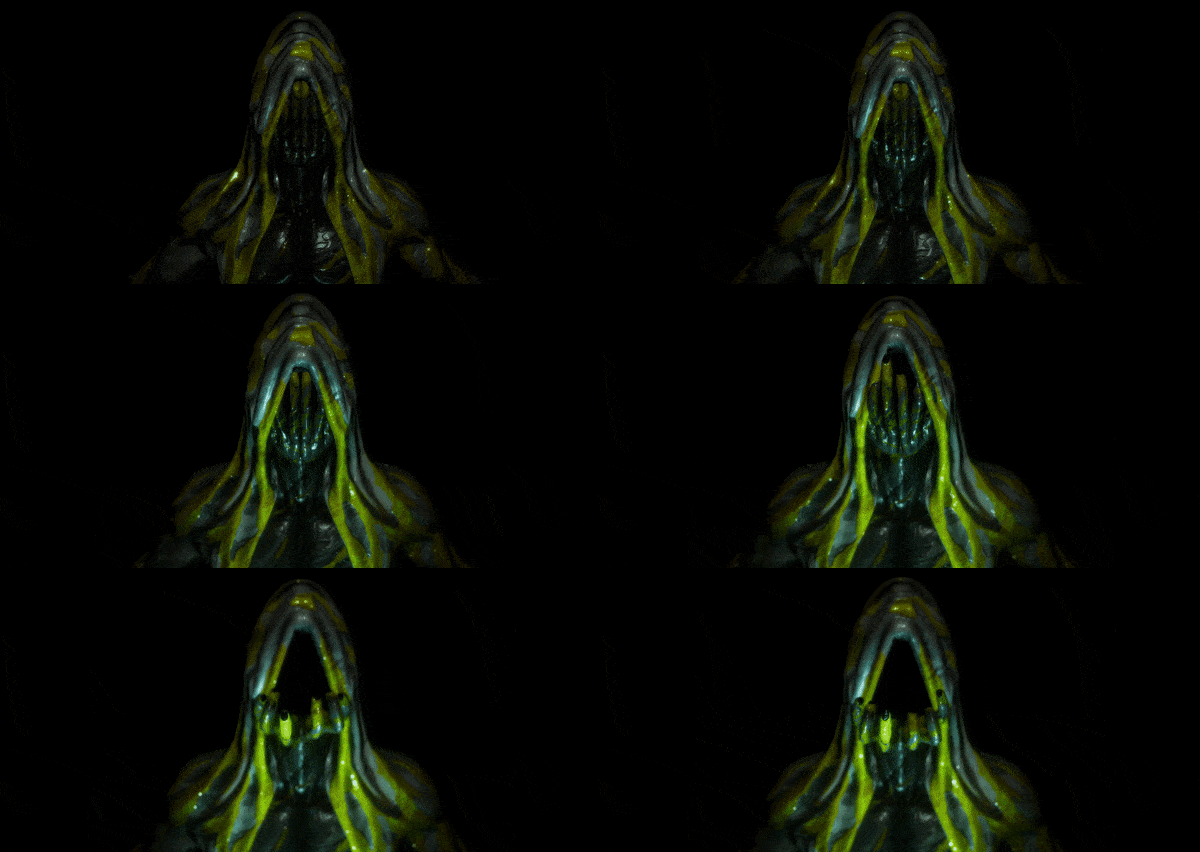
When Grime launched in 2021, it took the world by storm and quickly became one of the most recognizable indie games to come out of Israel. The surreal metroidvania, Developed by Team Malignant at Clover Bite Studio in Haifa, stood out thanks to its striking art direction and its iconic black hole protagonist, who absorbs enemies to grow stronger.
Quickly, the game’s unique world, challenging combat, and distinctive visual identity helped it build a dedicated global audience and cement its place as one of the most notable titles in the Israeli indie scene.
Now the Haifa-based studio is working on Grime II, set to release on Steam March 31 on PC (Steam), PlayStation and Xbox, aiming to expand the world, mechanics, and ideas introduced in the original. They are evolving beyond the original, and experimenting with many ambitious ideas as they build the next chapter in the series.
We spoke with director and producer Yarden Weissbrot about what players can expect from Grime II, the highly anticipated sequel to the 2021 hit.
Yarden Weissbrot, Team Malignant
Yarden: “My name is Yarden Weissbrot. I’m the director and producer of Grime II, and I have a long list of other roles, much like everyone else on our seven-person team, Team Malignant. I also do game design, animation, concept art, writing, level design, and manage many of the effects. I think at this point almost everyone on the team does a bit of tech art as well.” | 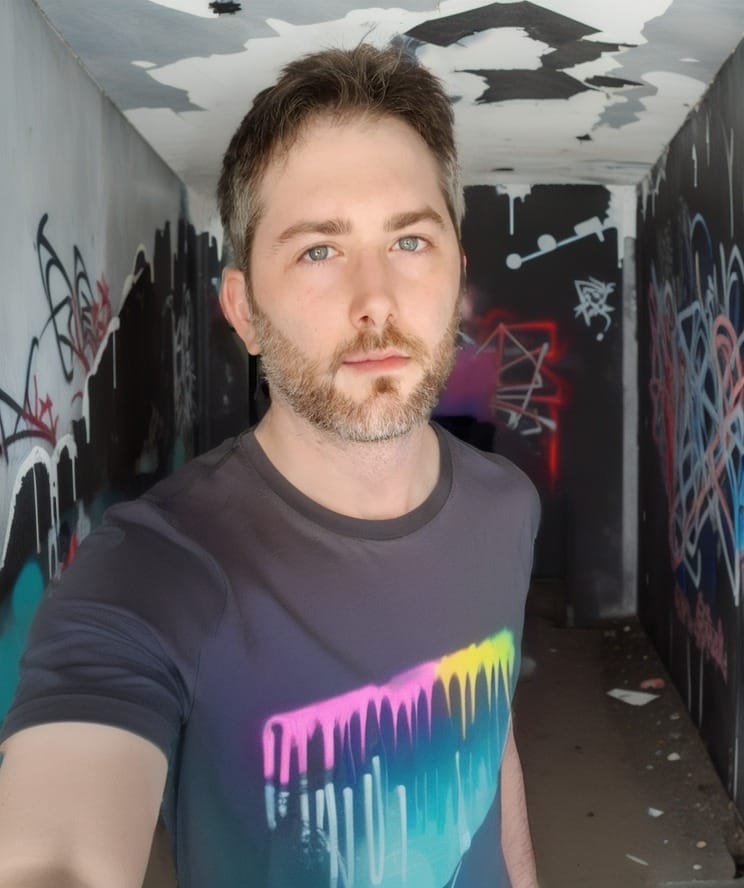 Yarden Weissbrot |
Is it the same team that developed Grime?
“Mostly, yes. When we worked on the first Grime, we were between three and five people, depending on the time, with only one programmer. One of the first lessons we learned was that we needed more programmers to balance the workload, so we hired two more.“
“It didn’t really change the team dynamics, but at least now our programmer has someone who understands him when he starts speaking in programmer language”, he says and laughs. “The main change was the bigger amount of stress I had to deal with, managing a bigger team. I find it hard to imagine what it’s like to manage even ten people, anything beyond that sounds insane to me, that’s why I would never want to manage a team in something like a AAA company.”
How do you combine your artistic roles with management and producing?
Yarden: “It’s easy for me because of my practical nature. I always prioritize gameplay first. I might really want a certain effect or visual enhancement, but I’ll drop it quickly if it conflicts with gameplay or takes too much effort.”
“We’re a small studio and we have to be realistic about the amount of time we can invest in things. I’ve seen artists I worked with struggle with this much more. They finish an asset in a few hours, but then want to polish it for days to make it ten or twenty percent better.”
“I’m usually the one saying that the vast majority of players won’t notice the difference. I almost get a little angry when I see ‘art games’ that focus so heavily on visuals that they sacrifice gameplay or writing.”
Grime
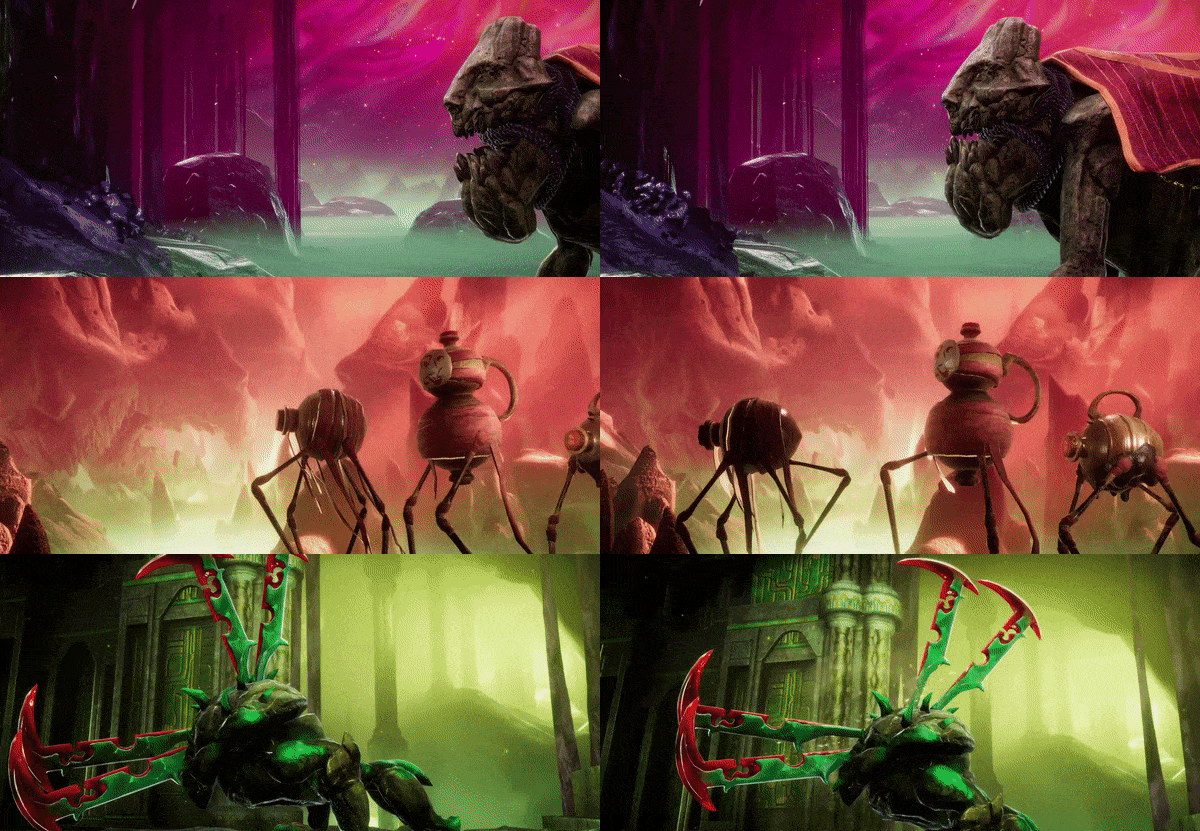
Grime II
Where did Grime’s distinct visual look come from?